
Where Do You Stand on Project Management?
-
 Sanplex Content
 -
 2021-04-29 11:37:01
 -
 4843
4843
Project management techniques have become a commonly known layer comprised of an infinite number of components, many of which can be as relevant as the others. As the discipline of project management and the use of its best practices spread rapidly around the world, the success of a project is heavily aided by good project management techniques. Even if projects succeed in various ways, they almost always share common denominators.
How does a project manager ensure that she or he is doing the right thing, in view of all the factors driving a project and all the project management practices available?
Essentials of Project Management for Organizational Performance
Success Management
Risk management is the process of attempting to predict and resolve factors that can impact project success and outcomes. Danger and opportunity management refers to the process of examining the positive and negative aspects of future project circumstances. This exercise can be referred to as performance management when it also addresses what specifically can make the project successful.
Success management entails addressing a number of success factors sequentially, and then simultaneously, over the course of a project's implementation in order to positively affect project outcomes. Project management essentials, performance metrics, and success factors are among the core components of success.
Elements of Culture
Cultures are innate. Cultures can influence. Cultures are accepted and celebrated. Cultures evolve and alter. The comprehension and perception of culture can be limited if only a single concept is provided. Culture encompasses everything in an organizational context. It includes all that can describe an entity's meaning, including the attitudes and actions that surround it.
Individuals and organizations adjust to circumstances, so failing to discuss the effects of cultural elements on a project in progress is a mistake. The negative effects of cultural elements from previous projects could be felt in your current project. Alternatively, your decisions as a project manager regarding cultural elements on a current project can have a lasting effect on the next project, either negatively or positively.
The Talent Triangle: Stand Out as a Project Manager
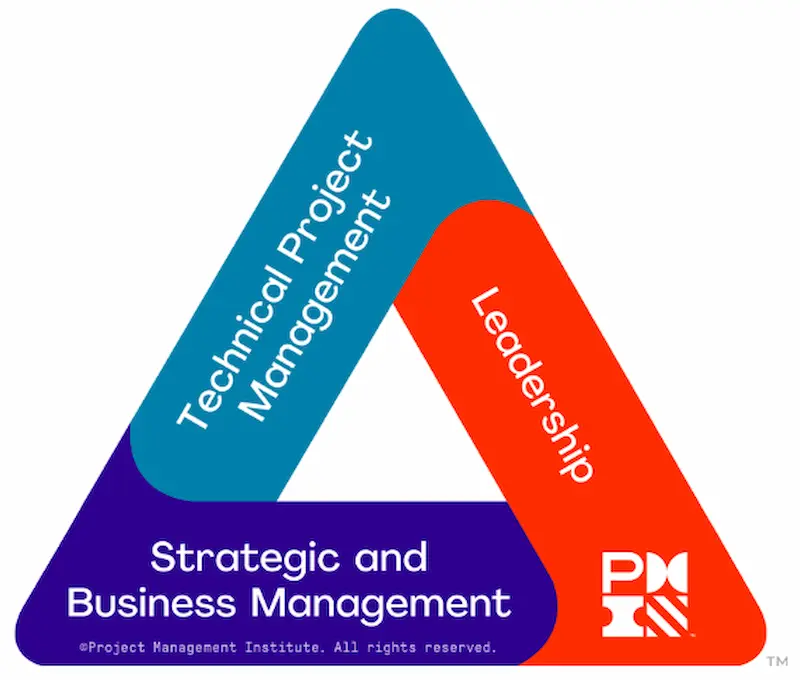
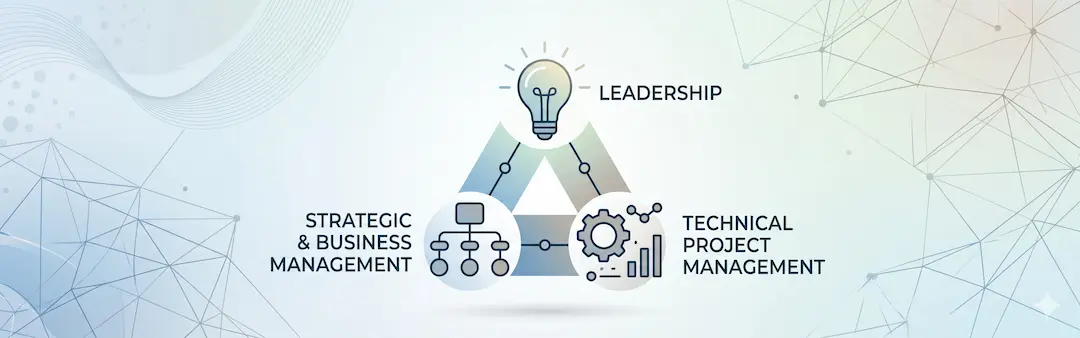
Technical Project Management
A project manager must be knowledgeable in the PMBOK guide's ten knowledge areas, which include managing scope, time, cost, risk, and stakeholders. The technical aspect of project management entails the project manager keeping track of the project's limited resources and allocating them accordingly to meet the project's goals. Technical project management alone, however, is insufficient; relying purely on this form of management is often derisively referred to as "management by spreadsheet."
Strategic and Business Management
A successful project manager knows how his or her project fits into the bigger picture. If there isn't a clear understanding of this, the project manager can easily misunderstand the scope or mislead the team. Project managers who do not have a good understanding of how their project fits into the organization's strategic objectives are far more likely to fail. A project manager with a clear strategic vision will bring new ideas to the table and add more to the company's bottom line. As a result, many companies are now involving project managers in strategic meetings and soliciting their input. When the project manager's input is considered, he or she becomes more inspired to see the vision through.
Leadership
The progress of the project is ultimately determined by the people who work on it. A successful project manager recognizes that each team member has a unique personality and needs, and he or she can use this understanding to inspire the team to meet the project's goals. When it comes to providing necessary incentives or corrections, a project manager with good leadership skills knows exactly when and how to do so.
A great project manager not only has a high IQ but also a high EQ (Emotional Intelligence). Although technical skills are essential, organizations are increasingly looking for project managers who possess strategic vision and strong leadership abilities. Pure technical management does not inspire and excite a team, which raises the likelihood of project failure—a lesson many companies are learning the hard way.
In the organization, the project manager is the team's first point of contact. If the project manager doesn't understand how the project affects the organization's bottom line, the team is likely to be unaware as well. If the team does not understand why they are working on the project, they will be less inspired to give it their all.
Many organizations historically have a "strategy group" and an "implementation group," which often leads to miscommunication between the two. Instead of simply pushing ideas onto project managers, modern companies are involving them in planning sessions and asking for their input to reduce the possibility of a disconnect.
As a result, companies are increasingly requiring project managers to be both tacticians and strategists. Companies are willing to pay more for project managers with a wider perspective. They are looking for candidates who possess all of the skills mentioned in the PMI Talent Triangle because these individuals understand long-term strategic goals that can ultimately boost sales and performance.
Final Words
Great leaders can be firm, unyielding, and driven. Don't be ruthless, but stick to your guns when it comes to your core beliefs, ethical decisions, and necessary actions. To ensure you are not easily swayed by every passing trend, take a stand for what is right. Others will chime in with their thoughts. Others will want you to follow in their footsteps. Listening is half of the equation for effective communication, but don't be persuaded if an idea is not the best thing for the project, the client, the team, or yourself.