
Huawei UK: Optimizing Telecom Project Management with Sanplex
- Original
-
 Sanplex Content
 -
 2026-03-27 14:53:22
 -
 5215
5215
Catalog
Founded in 1987, Huawei is a leading global provider of information and communications technology (ICT) infrastructure and smart devices. With a workforce of 207,000 employees, Huawei operates in over 170 countries and regions, serving more than three billion people worldwide. Huawei is committed to bringing digital connectivity to every person, home, and organization to build a fully connected, intelligent world.
Huawei’s presence in the United Kingdom began in 2001 with the establishment of its London office, focusing on wireless network operations. As the UK telecommunications market grew and government emphasis on communication technology increased, Huawei's UK business experienced rapid expansion.
In 2010, Huawei established its UK Research and Development (R&D) Center in the heart of Cambridge. The city was chosen for its abundance of technological talent, favorable policy environment, and innovative ecosystem. The center’s primary focus is the research and development of wireless communication technologies, specifically 5G, wireless sensor networks, and next-generation communication protocols. Furthermore, the center collaborates with leading European research institutions to provide open research platforms.
Huawei's UK R&D Center has achieved significant milestones. In 2018, it successfully conducted the world's first 5G wireless sensor network experiment and developed "Fleetcom," a new wireless communication protocol designed to provide more efficient data transfer for Internet of Things (IoT) devices.
On June 25, 2020, the UK government approved Huawei's request to establish an optoelectronics business park in Cambridge. The initial phase focuses on the R&D and manufacturing of optical devices and modules. By integrating research and manufacturing, the goal is to accelerate commercialization and bring cutting-edge products to market more efficiently.
Jack Song leads the Technology Development Team for Huawei's UK Communication Business. In 2023, Sanplex officially began a collaborative journey with Jack's R&D team. Currently, his team of over 50 members utilizes Sanplex as their primary project management tool. As a veteran manager of complex communication engineering projects, Jack emphasizes that selecting the right software is critical:
" We spent two years evaluating over 30 different project management tools available on the market. After extensive trials, Sanplex stood out due to its exceptional flexibility and practical application."
Jack shared the challenges they faced:
" Over the past five years, factors such as regional cultural differences and varying work methodologies led to scope changes in over 90% of our projects. These shifts frequently caused severe delays—often 3 to 5 times the original duration—and cost overruns of 2 to 4 times. Ultimately, this impacted customer satisfaction and the company's reputation.
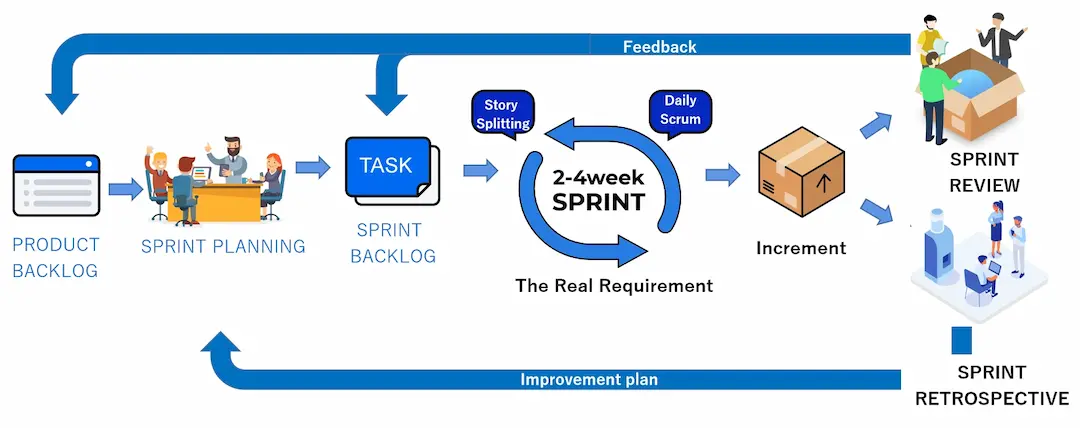
After testing various versions of the platform, we chose Sanplex Enterprise . In our daily operations, we primarily utilize Agile (Scrum) and Kanban models. Through visualized processes, we can intuitively measure production cycles and optimize our workflows."
By deploying Sanplex Enterprise, Jack's team has gained full-lifecycle support for Agile development and an enhanced project requirements matrix.
1. Full Lifecycle Project Management Solution
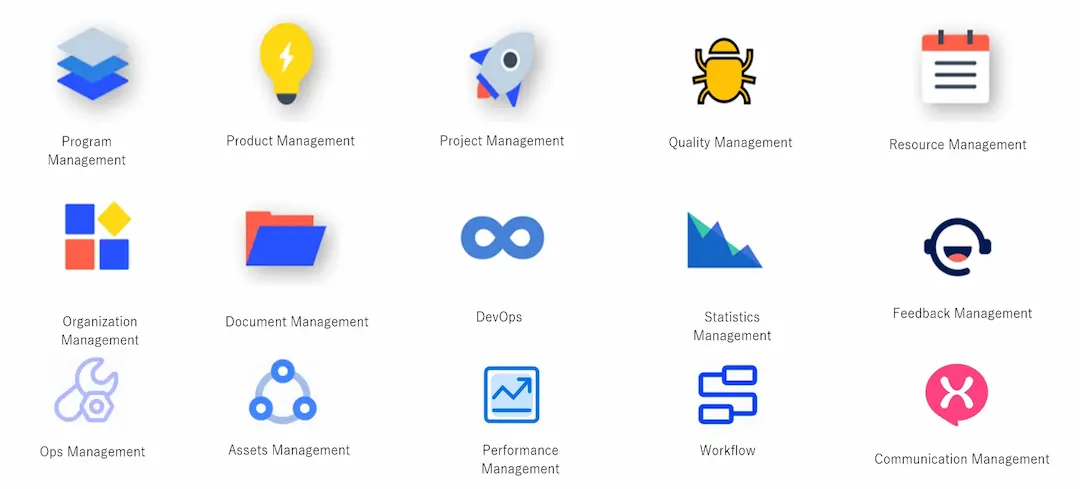
Sanplex provides a comprehensive software lifecycle management solution designed around Agile and CMMI principles. It integrates product management, project management, quality assurance, document management, and organizational management into a single source of truth. Sanplex revolves around core concepts—requirements, tasks, defects, and use cases—while supporting three distinct management models: Scrum, Waterfall, and Kanban.
2. Highly Customizable Project Templates
As a professional management tool, Sanplex features a robust engine that allows for the customization of fields, actions, interfaces, and data workflows. Users can extend the built-in processes to align with their specific operational needs.
Jack states: " We can customize Sanplex project templates based on the specific characteristics of each project. Whether it’s a small-scale optimization or a large-scale base station construction, we can flexibly adapt the templates to improve management accuracy."
3. Visualized Progress & Risk Control
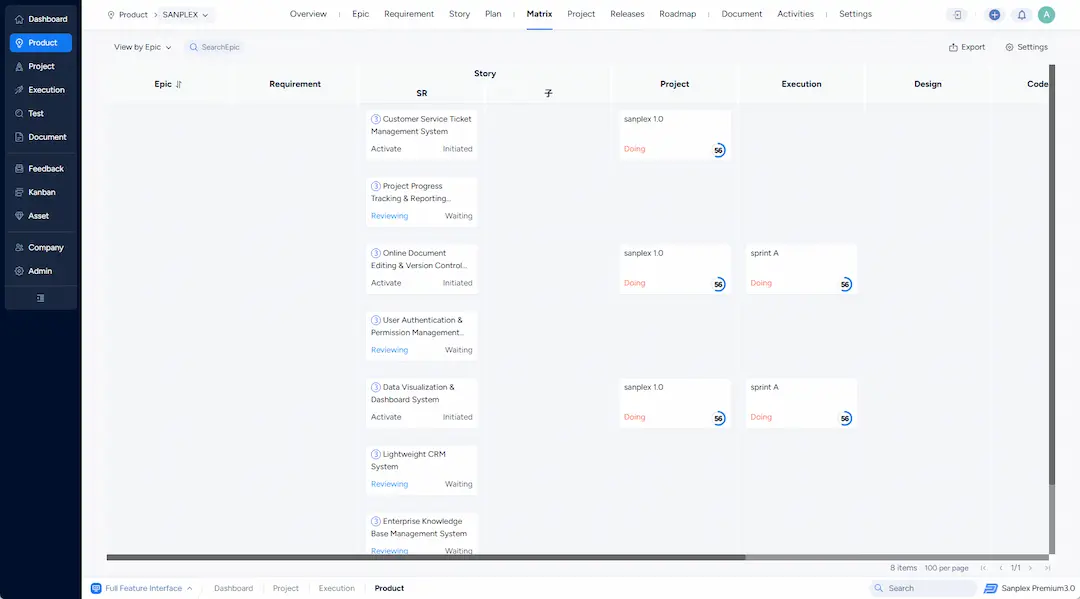
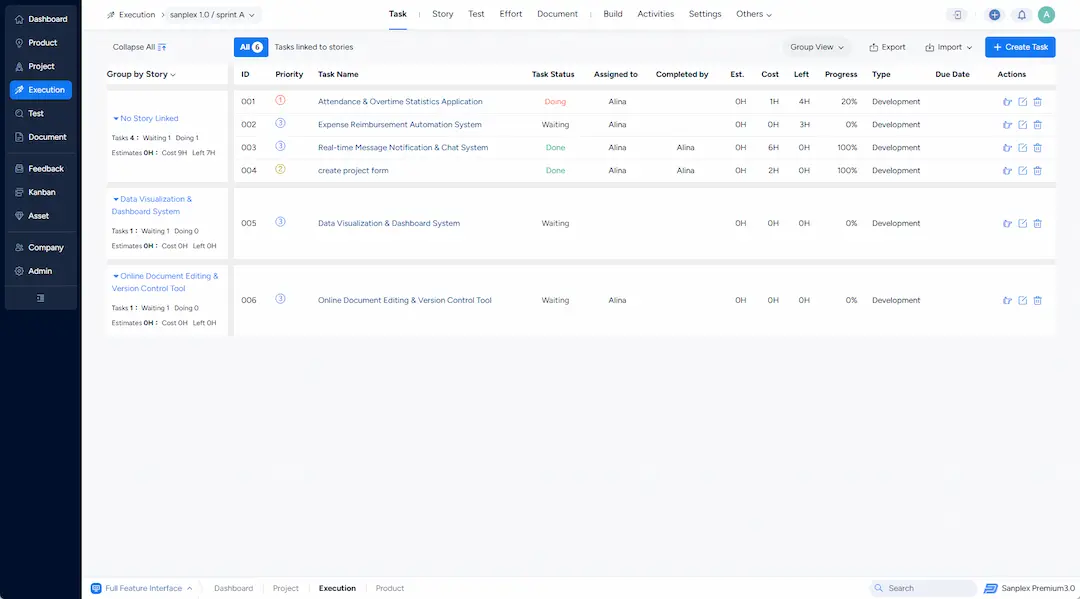
During implementation, Jack’s team uses visual progress tracking to identify potential risks such as schedule slips or cost overruns early. This creates an effective risk prevention mechanism. Real-time visual analysis of construction quality and project costs allows the team to optimize plans on the fly.
" For management, the visualization of processes and outcomes makes the project's status easy to grasp at a glance," says Jack. "By using visual boards, we can drill down into execution details for each iteration, which has significantly reduced unnecessary meeting time."
4. Clear Accountability and Role Definition
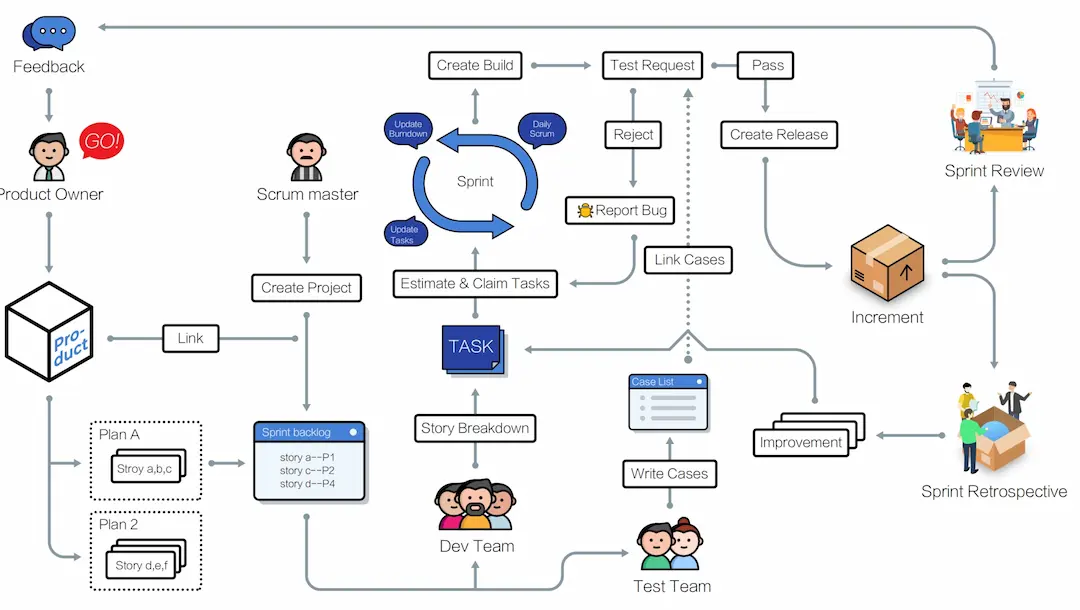
Sanplex supports multiple roles, breaking down silos between functions. Data flows seamlessly through the process, ensuring validity and enhancing collaboration. Jack has utilized Sanplex to establish a comprehensive supervisory system with hierarchical management. Clearly defined roles—including PMO, Product Owner, Scrum Master, Dev Team, and Tester—ensure that responsibilities are transparent, maintaining high quality and steady progress.
The introduction of Sanplex has provided robust support for Huawei’s UK Telecommunication R&D team, increasing both flexibility and transparency. By leveraging the full suite of Sanplex functionalities, the team has successfully overcome project management challenges, setting a high standard for engineering execution and long-term development.