Asana Pricing 2026: Full Breakdown
August 29, 2026PUBLISHED INAgile
 ali
ali 2026-08-29 21:04:00
 0
0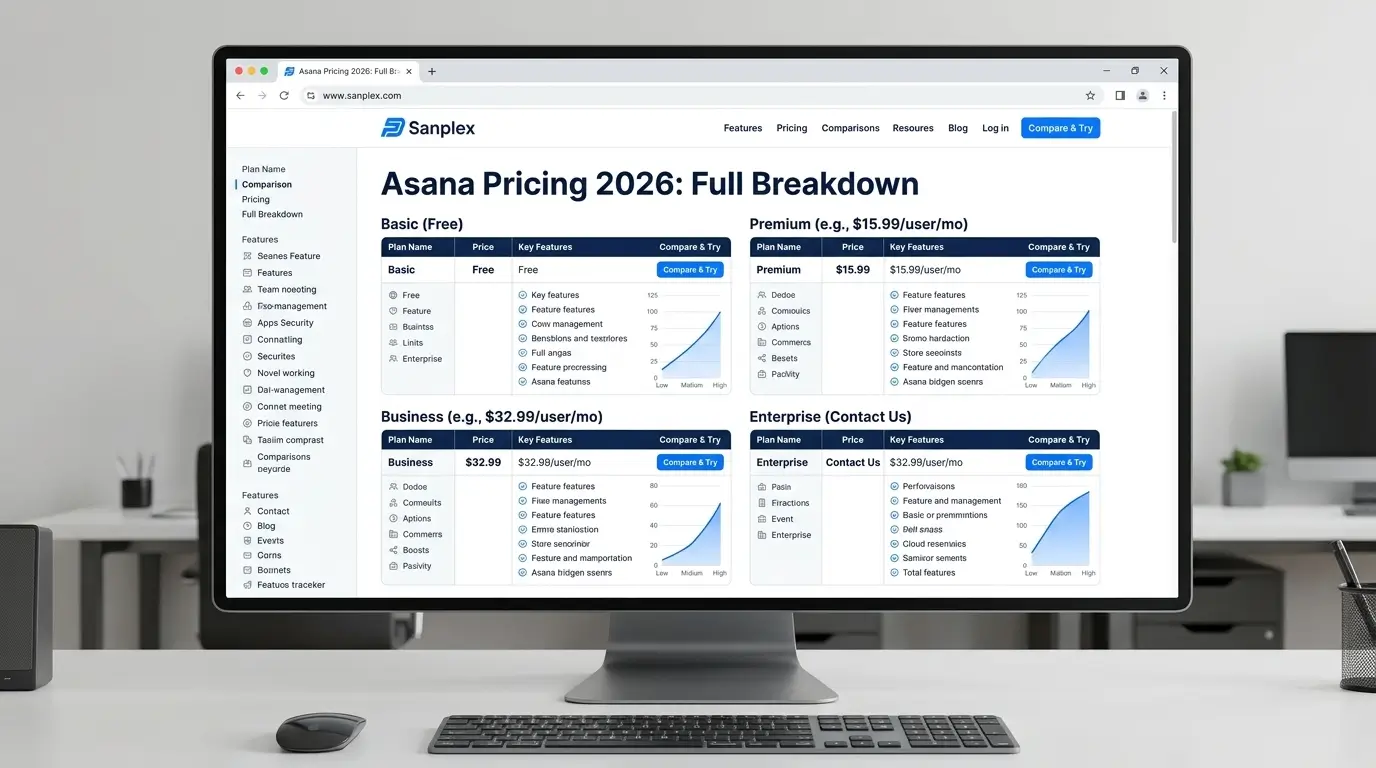
Asana's pricing page lists four clean tiers, but two details rarely make it into the summary: the jump from Starter to Advanced is steep and gates features many growing teams eventually need, and Asana's seat purchasing rules can leave larger teams paying for seats nobody's using. Here's the full picture.
The Core Pricing Table
|
Plan |
Price (annual) |
Price (monthly) |
Seat Notes |
|
Personal |
$0 |
$0 |
Up to 10 users, individual use |
|
Starter |
$10.99/user/mo |
$13.49/user/mo |
2-seat minimum |
|
Advanced |
$24.99/user/mo |
$30.49/user/mo |
2-seat minimum |
|
Enterprise / Enterprise+ |
Custom |
Custom |
SSO, SCIM gated here |
Annual billing saves roughly 18 to 22 percent compared to monthly across paid tiers. Both Starter and Advanced carry a 2-seat minimum, so a genuinely solo user still pays for 2 seats on any paid plan.
The Personal Plan's Real Limit Isn't Seats, It's Collaboration
Personal allows up to 10 users for free, which sounds generous, but it's built for individuals managing their own tasks, not coordinated team collaboration. Teams trying to actually work together, assign tasks across people, track shared project status, hit Personal's limitations well before they hit the 10-user cap.
The Advanced Jump: What You're Actually Paying For
Going from Starter ($10.99) to Advanced ($24.99) more than doubles the per-seat price, and that jump exists specifically because Goals, Portfolios, and OKR-style cross-project reporting are completely gated behind Advanced, there's no way to access them at Starter regardless of need. Most teams don't need this until they reach a size where leadership specifically wants cross-project, executive-level reporting, commonly cited around the 25-plus person mark or multiple concurrent project streams. Below that, Starter typically covers what a team actually needs. Advanced also includes native time tracking as of 2026, a feature Asana historically lacked entirely.
The Seat Increment Rule Worth Knowing Before You Buy
Past 5 users, Asana requires purchasing in 5-seat increments rather than exact headcount, and at 100+ users on Advanced, that increment jumps to 25 seats at a time. This has a real-world cost: one widely cited case involved an organization with 100+ licenses paying for 24 empty seats at roughly $21 each, around $500 a month spent on unused capacity purely because of how the increment rounding works. Worth checking your actual headcount against the nearest increment before finalizing a purchase, rather than being surprised by it on the invoice.
Guests Don't Count Against Paid Seats
External collaborators invited as guests to specific projects don't consume a paid seat, which is worth factoring in if your team regularly works with outside clients or contractors on a project basis rather than needing them as full members.
How Asana's Pricing Compares to the Category
Asana sits at a premium relative to several direct competitors, its Starter tier runs meaningfully higher than ClickUp's entry paid plan ($7) or Monday.com's Basic ($9), and the gap widens further at the mid-tier, Advanced at $24.99 versus ClickUp Business ($12) or Monday.com Standard ($12). That premium tends to be justified by reviewers on UX polish and ease of adoption rather than raw feature count, worth weighing against your team's actual willingness to pay for that over a cheaper, less polished alternative.
Frequently Asked Questions
Is Asana's free plan good enough for a small team?
Only if the team doesn't need real collaboration features. Personal is built for individual task management, not coordinated team project tracking, even though it technically allows up to 10 users.
Why is the jump to Advanced so expensive?
Because Goals, Portfolios, and cross-project OKR reporting are entirely gated behind that tier, there's no partial access at Starter, so teams needing any of those features must upgrade the whole plan.
Can I buy the exact number of seats I need?
Not always, past 5 users Asana sells in 5-seat increments, and past 100 users on Advanced, in 25-seat increments, which can mean paying for unused seats.
Do guest users cost extra? No, guests invited to specific projects don't consume a paid seat, unlike full team members.
Is Asana more expensive than ClickUp or Monday.com?
Yes, at comparable tiers Asana generally runs higher, a premium reviewers attribute mostly to UX polish and ease of adoption rather than a larger feature set.
Comparing Asana's total cost against a simpler pricing model?
Visit Sanplex, check current pricing, or book a demo to compare both against your actual team size.
Related Blogs
ClickUp Pricing 2026: Full Breakdown