
Mindful Project Management: Balancing Productivity and Well-Being
-
 Sanplex Content
 -
 2026-03-02 09:00:00
 -
 312
312
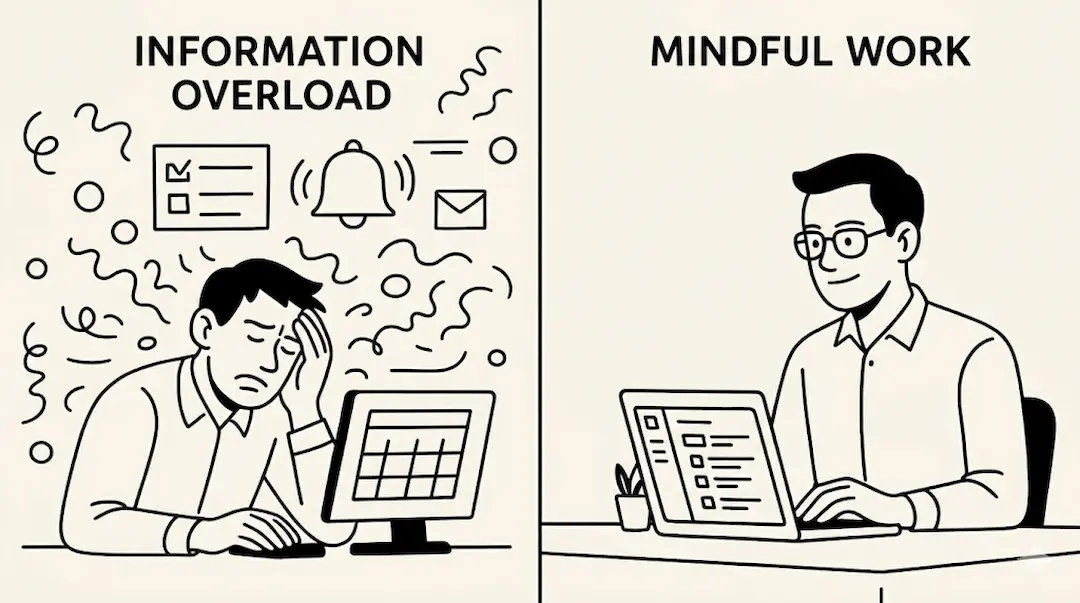
In today’s fast-moving digital workplace, it is easy for teams to feel overwhelmed by the very tools designed to help them stay organised. Mindful project management offers a more intentional approach. It is about choosing and using technology in ways that improve productivity while also protecting the human side of work.
From selecting intuitive software to using analytics responsibly and building healthier communication habits, a mindful approach can reshape how teams collaborate, perform, and sustain their energy over time.
Mindful Tool Selection
Choosing a project management platform is not just a technical decision. It is also a people decision. The right tool should support the way your team works, rather than forcing your team to adapt to rigid software.
Sanplex, for example, is a user-focused project management platform known for its intuitive interface and flexible workflows. Teams can adapt it to their own processes without being burdened by unnecessary complexity. This kind of human-centred design puts people first. The platform offers robust capabilities, but presents them in a way that feels clear, natural, and manageable rather than overly technical.
A tool like Sanplex reflects a more mindful approach to software selection because it aligns with how people actually work. It offers flexibility, structure, and clarity without creating additional friction. By prioritising usability and adaptability, Sanplex shows how a project management platform can remain powerful without sacrificing ease of use or employee well-being.
Mindful tool selection also means evaluating whether a platform helps people focus instead of distracting them. Is the interface clean and uncluttered? Do the features support your real workflow, or do they add noise? A thoughtful choice should simplify work, not make it more complicated.
In practice, that often means favouring a platform that brings tasks, schedules, and collaboration into one place, rather than forcing teams to jump constantly between disconnected tools. The goal is to reduce cognitive load. Your software should support productivity and mental clarity, not become another source of stress. When your platform follows these principles, as Sanplex does through its user-friendly yet comprehensive design, teams can work with greater focus and less frustration.
Using Analytics Wisely
Modern project management platforms provide a wide range of analytics, from progress trends to workload reports and delivery insights. Mindful use of analytics means treating data as a guide rather than a weapon.
Instead of tracking every possible metric, mindful teams focus on the indicators that truly help them improve delivery and maintain a healthy pace. A platform like Sanplex can provide detailed reporting on project progress, bottlenecks, and workload distribution. Used thoughtfully, these insights can help teams identify risks early, rebalance work, and make better decisions before issues grow into larger problems.
The key is to interpret data with context and empathy. Metrics should encourage reflection and improvement, not blame.
A practical way to do this is to review analytics during regular team checkpoints, such as sprint retrospectives or project reviews. Teams can look for patterns like repeated overtime, blocked work, delayed handoffs, or individuals carrying consistently heavier workloads. With the right platform, those patterns become much easier to spot.
Sanplex, for instance, can help surface delivery trends and quality signals early. But data alone does not create change. What matters is the team’s ability to interpret those signals with awareness and use them to improve the way work is planned and executed. When analytics are treated as feedback rather than judgement, teams are more likely to maintain a healthy growth mindset. They can celebrate progress, learn from challenges, and improve continuously without creating the anxiety that constant surveillance often brings.
In short, data should empower, not overwhelm. The best platforms support this by presenting analytics in ways that are clear, relevant, and aligned with mindful management practices.
Fostering Healthy Team Communication
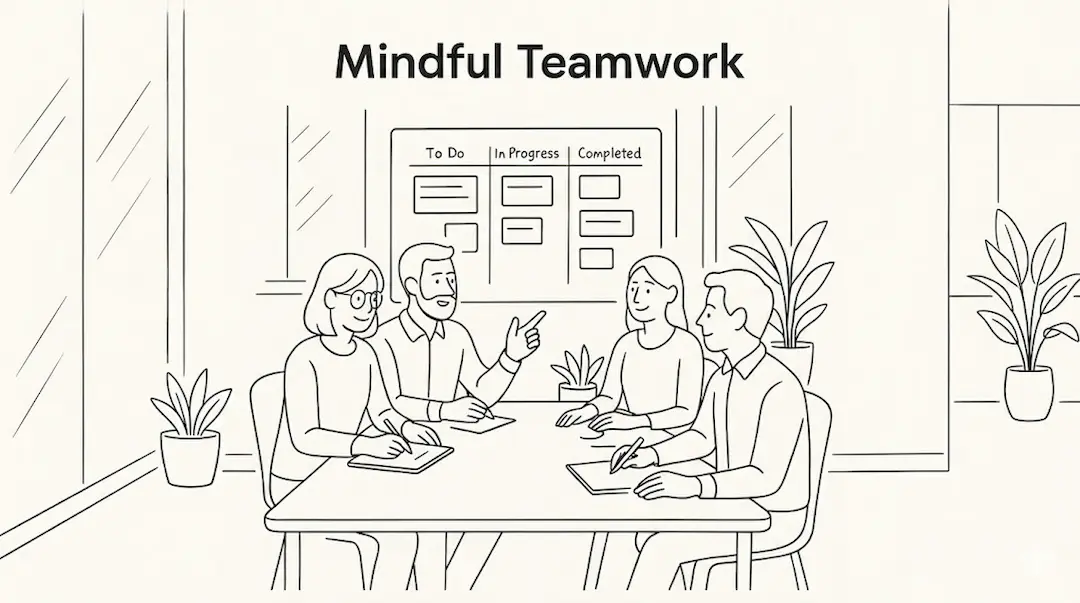
Open, respectful communication sits at the centre of both effective teamwork and a healthy work culture. The tools a team uses can either strengthen that communication or make it harder.
A mindful approach to team communication means choosing tools that help people stay connected without creating constant noise. Many modern project management platforms now include built-in collaboration features so that conversations remain tied to the work itself.
Sanplex, for example, supports team collaboration through integrated communication features that allow people to discuss tasks, share updates, and stay aligned without relying entirely on separate chat tools. When communication is connected directly to projects, tasks, or workflows, context is preserved. Team members can participate in focused discussions without having to search across scattered email threads or disconnected apps.
This kind of integrated communication is more human-centred because it respects people’s time and attention. It helps teams stay informed while reducing the frustration that comes from fragmented information.
At the same time, mindful communication is not only about having the right features. It is also about setting healthy usage norms. Simply adding a chat or comment function does not automatically create better collaboration. Teams still need clear expectations around responsiveness, quiet hours, notification habits, and availability.
A well-designed platform should support those boundaries. For example, when users can customise notifications and follow only the updates that matter to them, interruptions become easier to control. Sanplex supports this kind of experience by allowing users to manage notifications and stay focused on relevant work instead of being distracted by unnecessary activity.
By choosing communication tools deliberately and using them with intention, teams can create a working environment where information flows smoothly without becoming chaotic. The result is a collaborative space where people feel connected, informed, and respected, while still having the mental space needed for deep work.
Supporting Mental Well-Being
Perhaps the most important dimension of mindful project management is the effect that tools and working habits have on mental well-being.
A project management system can easily become a source of stress if it is poorly designed or used carelessly. Constant notifications, vague expectations, cluttered interfaces, and fragmented workflows can all wear people down over time. On the other hand, a well-designed platform can actively support a healthier work environment.
It does this by creating clarity, improving transparency, and helping teams work within realistic boundaries.
Human-centred software design plays a major role here. Sanplex reflects this mindset by aiming to streamline work instead of making it feel heavier. When a platform is designed with empathy for its users, features such as workload views, progress indicators, and deadline reminders are presented in practical, supportive ways. Their purpose should be to help teams stay balanced and proactive, not to create pressure or encourage burnout.
Mindful leaders can also use project management tools to create a more supportive team culture. This may include using comments or project updates to recognise good work, celebrate milestones, and reinforce progress. Small moments of appreciation can have a meaningful effect on morale.
It can also mean reviewing task allocation regularly to ensure that work is distributed fairly. Platforms like Sanplex make it easier to see who is responsible for what, helping managers identify overload early and rebalance assignments more thoughtfully.
Capacity planning matters as well. A mindful system should make it easier to account for vacations, personal leave, or temporary changes in availability so that project plans remain realistic. When teams use these features intentionally, they send a strong message: productivity should never come at the cost of mental health.
Just as importantly, supporting well-being is also about simplification. The more a single platform can centralise day-to-day work, the less context switching people have to do. A comprehensive yet easy-to-use tool like Sanplex reduces the need for multiple systems, repeated logins, and manual information gathering. That simplicity lowers stress and gives teams more mental space to focus on meaningful, creative work.
In that sense, project management software can become more than an operational tool. When chosen and used carefully, it becomes an ally in building a healthier and more sustainable way of working.
Conclusion
Mindful project management is not a one-time change. It is an ongoing practice built on intention, consistency, and awareness.
It begins with choosing tools deliberately and using them in ways that support both performance and people. By adopting a user-focused and adaptable platform like Sanplex, teams create a strong foundation for a more thoughtful way of working.
From there, the real value comes from daily practice: using analytics with care, communicating clearly and respectfully, and paying attention to the human impact of how work is organised. When productive systems and mindful habits work together, teams can achieve more in a way that is healthier, more sustainable, and more rewarding.
In the end, mindful project management creates room for both high performance and genuine well-being. That balance is not only better for individuals. It is better for the long-term success of the team as a whole.