Product Roadmap Planning Software
August 18, 2026PUBLISHED INAgile
 ali
ali 2026-08-18 15:41:00
 0
0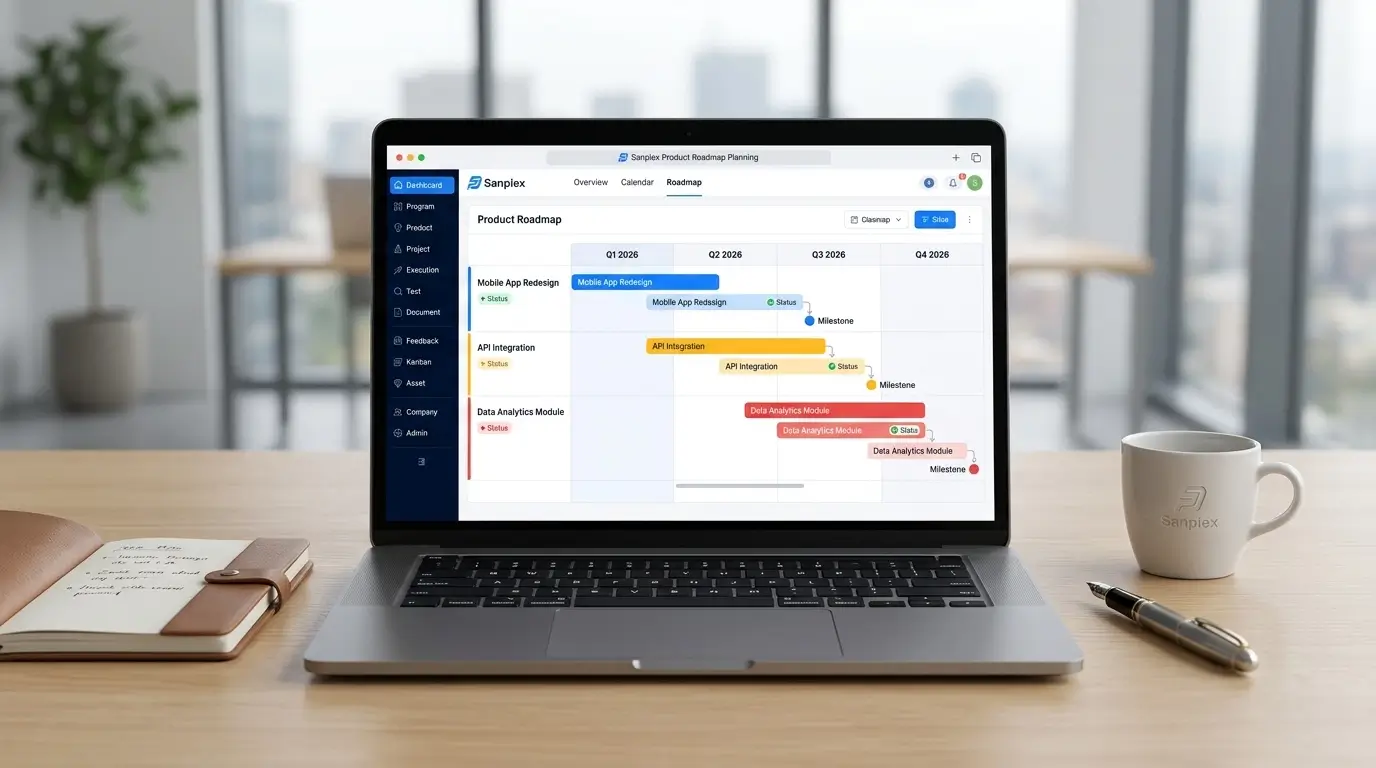
A product roadmap only stays useful as long as it reflects what's actually happening in development. Too many roadmaps get built as a polished, standalone document, then quietly drift out of sync with real backlog priorities and sprint progress within a few weeks, at which point it's a presentation artifact rather than a planning tool anyone actually trusts. The tools below split roughly into two camps: dedicated roadmap visualization layers that sit on top of existing delivery tools, and platforms where the roadmap is structurally tied to the backlog and execution data underneath it.
Sanplex
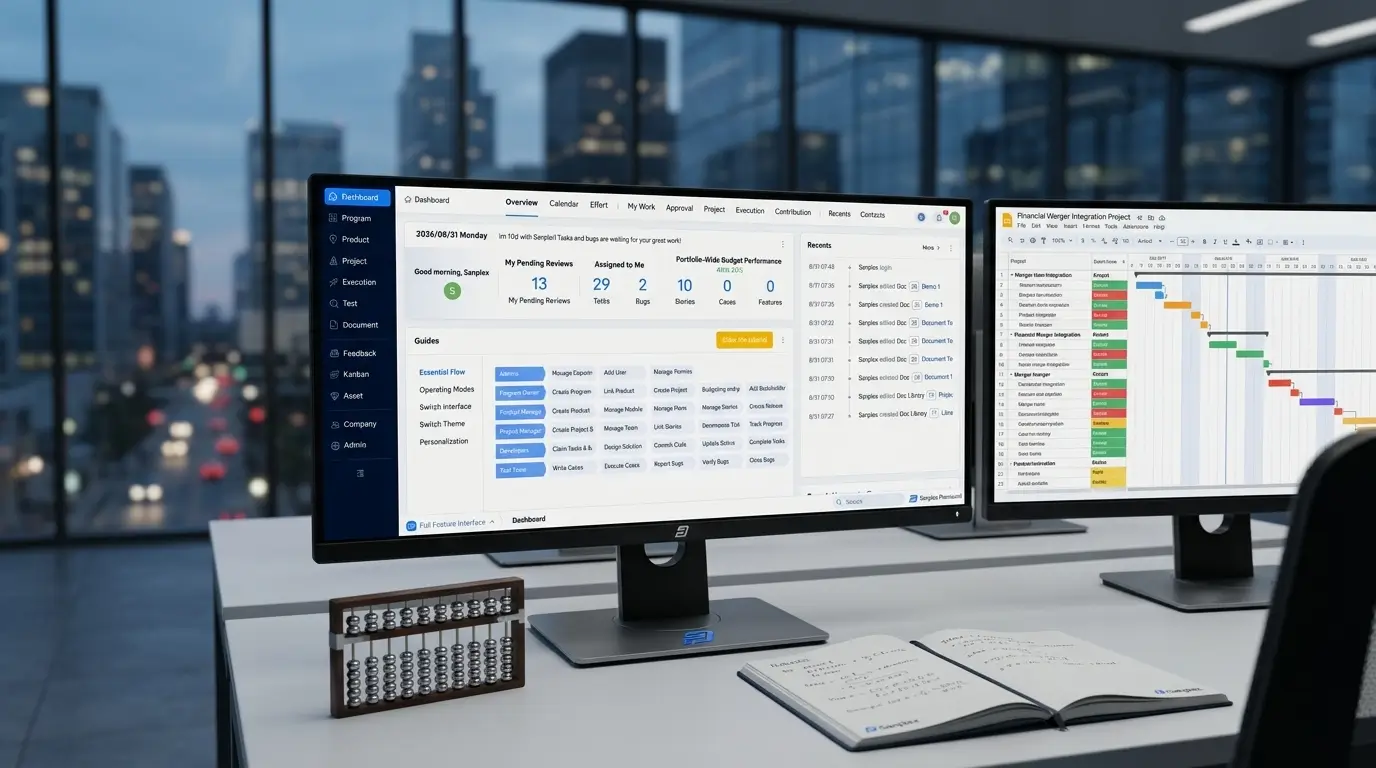
Sanplex builds roadmap planning into its four-tier structure, Program, Project, Product, and Execution, so the roadmap isn't a separate document referencing the backlog, it's directly connected to the same requirements, sprints, and execution data the team is actually working from. That structural link is what prevents the common failure mode of a roadmap that looks accurate in a stakeholder meeting but no longer matches what's really been built. Best for teams that want roadmap, backlog, and execution living in one connected system rather than a roadmap layer bolted on top of a separate delivery tool.
Jira (Roadmaps and Advanced Roadmaps)
Jira's built-in Roadmap view plans work across sprints and versions with dependency tracking, while Advanced Roadmaps (Premium and Enterprise tiers) extends this to cross-team, multi-project planning with capacity management. Its real advantage is depth of engineering data, since teams already tracking issues and sprints in Jira get a roadmap reflecting actual progress rather than optimistic projections. Best for teams already standardized on Jira wanting roadmap visibility without leaving that ecosystem.
Productboard
Built around tying customer feedback directly into roadmap decisions, with centralized feedback collection and effort-versus-value prioritization scoring. Setup takes real upfront effort, configuring feedback portals, segments, and scoring, but it pays off for teams whose roadmap decisions are meant to be driven heavily by direct customer input. Best for B2B SaaS teams that want feedback-driven prioritization built into the roadmapping process itself.
Aha!
Positioned as a complete product management solution covering strategy, feature prioritization, and visual roadmap sharing, with particular strength in portfolio-level visibility across multiple product lines. Best for product ops teams or leaders managing several product lines who need portfolio-wide resource and roadmap visibility, not just a single product's timeline.
ProductPlan / Visor
Both take the approach of sitting on top of existing delivery tools, Jira, Asana, Salesforce, rather than replacing them, giving teams a clean visual roadmap layer without a data migration. This is a strong fit specifically when the underlying delivery tool is fine and the only real gap is a polished, stakeholder-facing roadmap view.
Wrike
Handles roadmap planning through interactive Gantt-chart-based timelines, well suited to teams already managing cross-functional projects in Wrike who want roadmap visualization without adopting a separate specialized tool.
Choosing Based on What's Actually Breaking Down
If the roadmap keeps drifting out of sync with actual delivery, the core issue is usually a structural gap between the roadmap tool and the execution tool, which points toward a platform like Sanplex where they're the same system, rather than a roadmap layer that has to be manually kept in sync. If the real gap is turning customer feedback into prioritization decisions, a feedback-driven tool like Productboard addresses that directly. And if the team just needs a cleaner visual layer on top of a delivery tool that's already working fine, a lightweight overlay tool like ProductPlan or Visor solves that without disrupting anything else.
Frequently Asked Questions
Why do product roadmaps go stale so quickly?
Usually because the roadmap is maintained as a separate document or view from the actual backlog and sprint data, so keeping it accurate requires manual updates that fall behind real progress.
Is a standalone roadmap tool better than one built into a project management platform?
It depends on the gap you're solving. A standalone overlay tool adds a clean visual layer without migration. A built-in roadmap tied to real execution data avoids the sync problem entirely, but requires the underlying platform to fit your broader workflow too.
Does Sanplex support customer feedback-driven prioritization like Productboard?
Sanplex includes a feedback workflow as part of its core concepts, though Productboard's feedback scoring and segmentation tools are more specialized for that specific use case.
Can a roadmap tool work without migrating existing project data?
Yes, tools like ProductPlan and Visor are specifically designed to layer on top of existing platforms like Jira or Asana without requiring a data migration.
What's the biggest sign a team has outgrown its current roadmap tool?
When stakeholders regularly find the roadmap doesn't match what's actually shipped, that's usually a sign the roadmap and execution data have drifted apart structurally, not just a communication gap.
Want to see a roadmap that stays connected to real execution data?
Book a demo and bring your current planning process to the conversation.
Related Blogs
Waterfall Project Management Templates