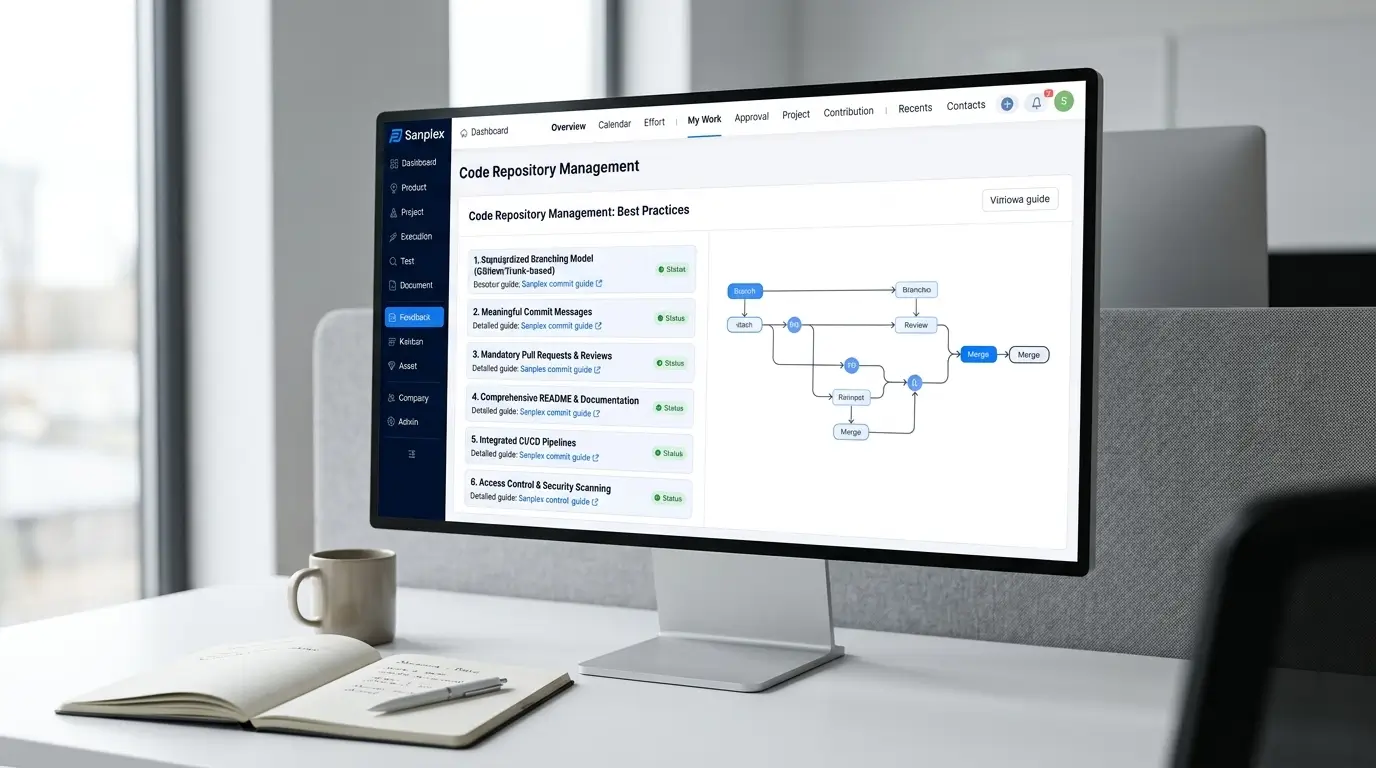
Resource Allocation Software for Project Managers
August 12, 2026PUBLISHED INAgile
 ali
ali 2026-08-12 15:32:00
 0
0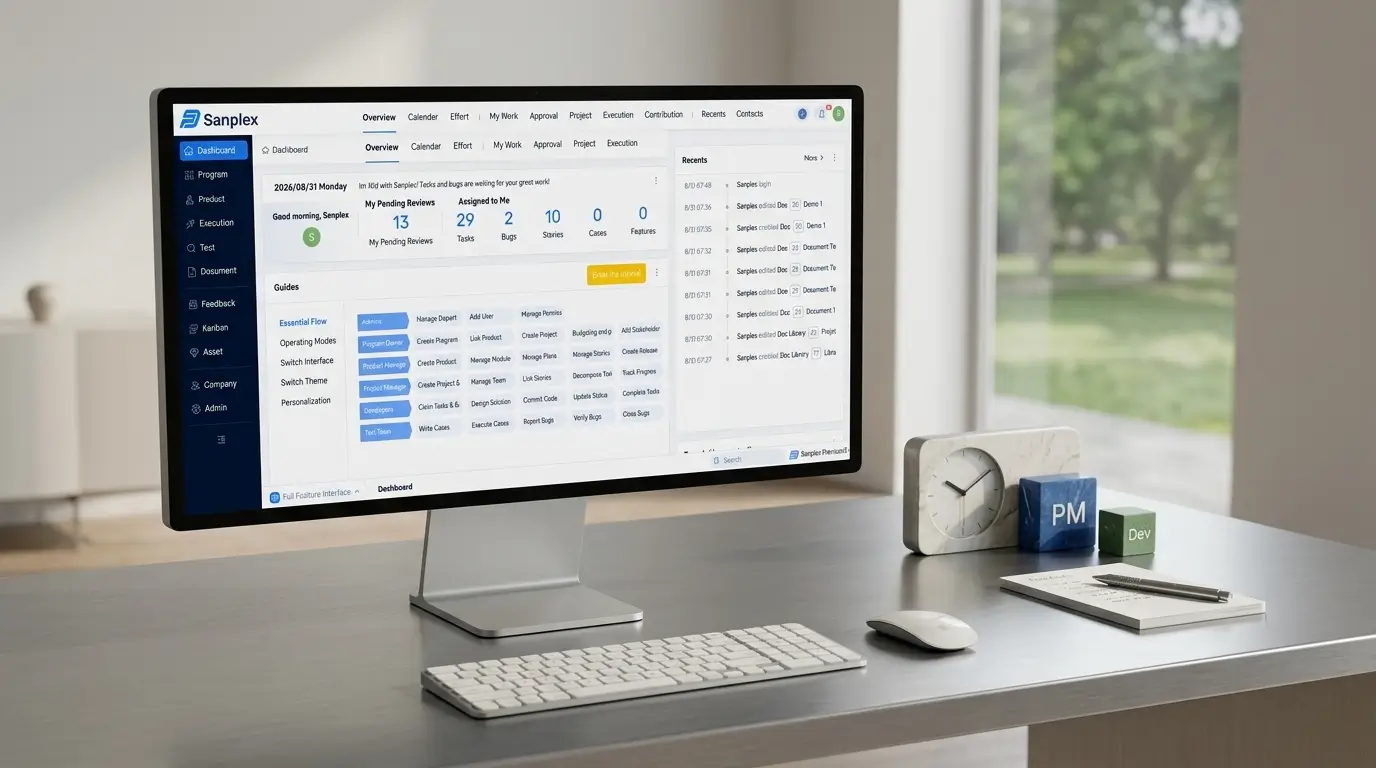
Resource allocation software exists to answer one recurring question: who has capacity for this work, and who's already overloaded. That sounds simple until a project manager is juggling a dozen people across several projects with shifting priorities, at which point a spreadsheet stops being a viable answer. In 2026, most serious platforms in this space have added AI-assisted matching on top of basic capacity tracking, automatically suggesting who should get assigned based on skills, availability, and workload rather than requiring a manager to piece that together manually.
Here's a practical look at where project managers are actually landing.
Sanplex
Sanplex approaches resource allocation as part of its broader four-tier structure, Program, Project, Product, and Execution, rather than as a standalone capacity-tracking feature bolted onto a separate task system. That connection matters because allocation decisions are more accurate when they're made against real, current project and task data rather than a capacity view that's disconnected from what's actually being worked on. Best for teams that want resource allocation tied directly to the same system tracking requirements, sprints, and execution.
Celoxis
Known for its auto-staffing feature, an AI-powered capability that automates resource assignment based on skill set, availability, and workload, aiming to eliminate over-allocation and underutilization without manual piecing-together. It pairs this with straightforward command-based assignment adjustments, reducing the technical overhead of reassigning people mid-project.
Dayshape
Built specifically around AI-assisted resource scheduling, generating a suitability score for each person based on criteria like skills, availability, utilization, and location to recommend the best match for a given assignment. It's positioned with multiple tiers of AI sophistication, letting the tool scale as an organization's resourcing process matures rather than requiring full AI adoption from day one.
Scoro
Popular with agencies and consultancies that need real-time visibility into workloads and utilization across many concurrent client projects. Its live dashboards and workload planner update automatically as tasks shift, which suits businesses where resourcing decisions need to happen fast and often.
monday.com Work Management
Combines resource allocation with a notably deep enterprise security posture, SOC 2 Type II, GDPR compliance, ISO 27001 certification, and HIPAA compliance options, alongside audit logs tracking allocation changes. That security depth makes it a common pick for larger, more compliance-conscious organizations specifically.
TeamGantt
Centers resource allocation around Gantt-chart-based timeline visualization, well suited to teams that think in project schedules and dependencies first, with resource assignment layered directly onto that visual timeline rather than a separate capacity view.
Choosing Based on What's Actually Slowing You Down
If the core problem is manually matching people to tasks based on skills and availability, AI-driven tools like Celoxis or Dayshape address that directly. If the bigger issue is allocation decisions being made against outdated or disconnected project data, a platform like Sanplex that keeps resourcing tied to real execution data tends to hold up better over time. And if compliance certification is a hard requirement for your industry, that narrows the field to platforms, like monday.com, that have invested specifically in that depth.
Frequently Asked Questions
What's the difference between resource allocation and resource management?
Resource allocation specifically refers to assigning people or resources to tasks. Resource management is the broader discipline that includes allocation alongside forecasting, capacity planning, and utilization tracking.
Is AI-driven resource allocation actually reliable?
It's become standard across most leading platforms in 2026, and it's generally strong for straightforward skill and availability matching. Complex or judgment-heavy assignment decisions still typically benefit from human review.
Is Sanplex suitable for agencies managing many client projects?
It can work, though tools like Scoro that are purpose-built for agency workflows may offer more agency-specific reporting out of the box. Sanplex's strength is tying allocation to product and engineering delivery specifically.
Do these tools integrate with existing project management software?
Most standalone resource allocation tools do offer integrations, though the depth varies by platform. Tools that build allocation directly into a broader PM system avoid the integration question entirely.
How is resource over-allocation typically flagged?
Most modern platforms show this visually through workload dashboards or capacity views, flagging when someone is assigned beyond their available capacity so it can be caught before it becomes a bottleneck.
Want to see how Sanplex connects resource allocation to real project execution?
Book a demo and bring your current resourcing challenges to the conversation.
Related Blogs
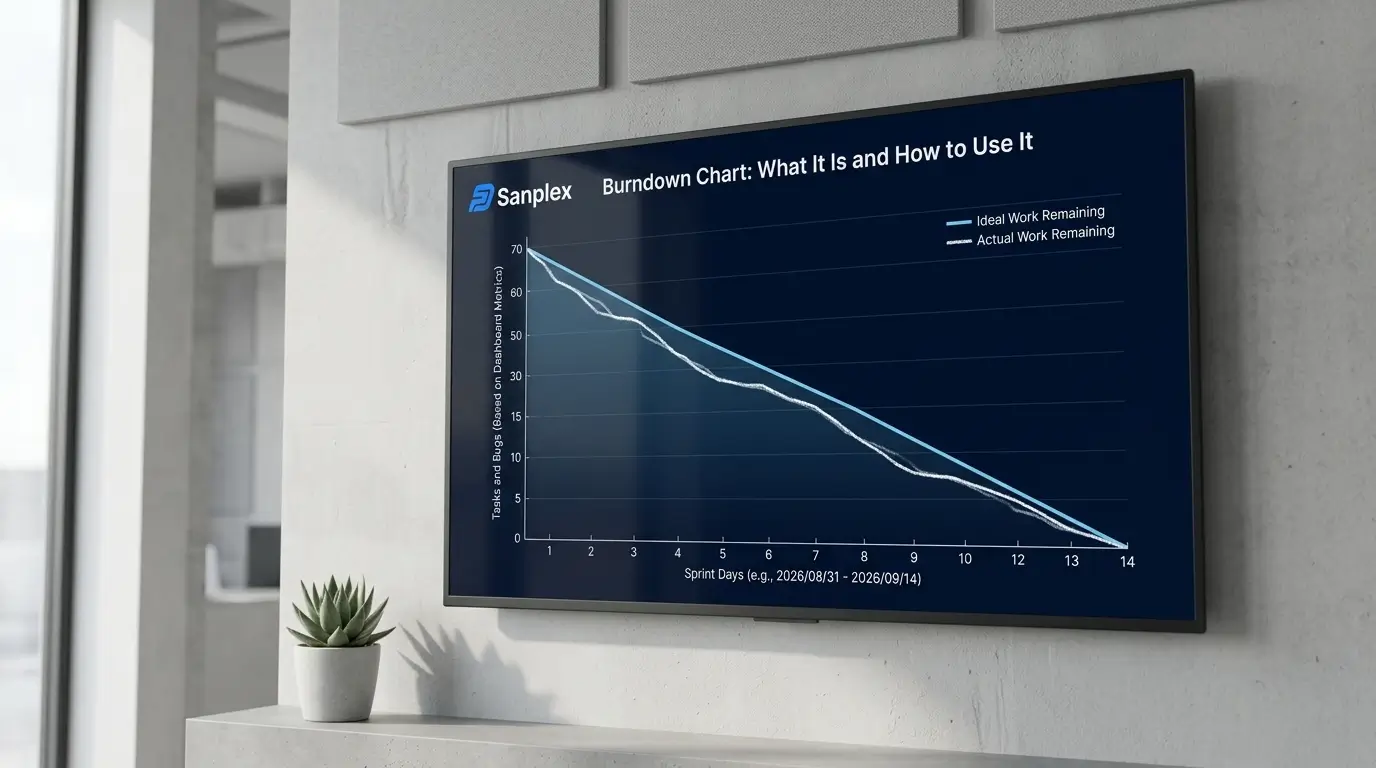
Burndown Chart: What It Is and How to Use It