What Is an MVP? A Practical Guide for Founders and Teams
3 hours agoPUBLISHED INAgile
 ali
ali 2026-09-25 05:11:00
 0
0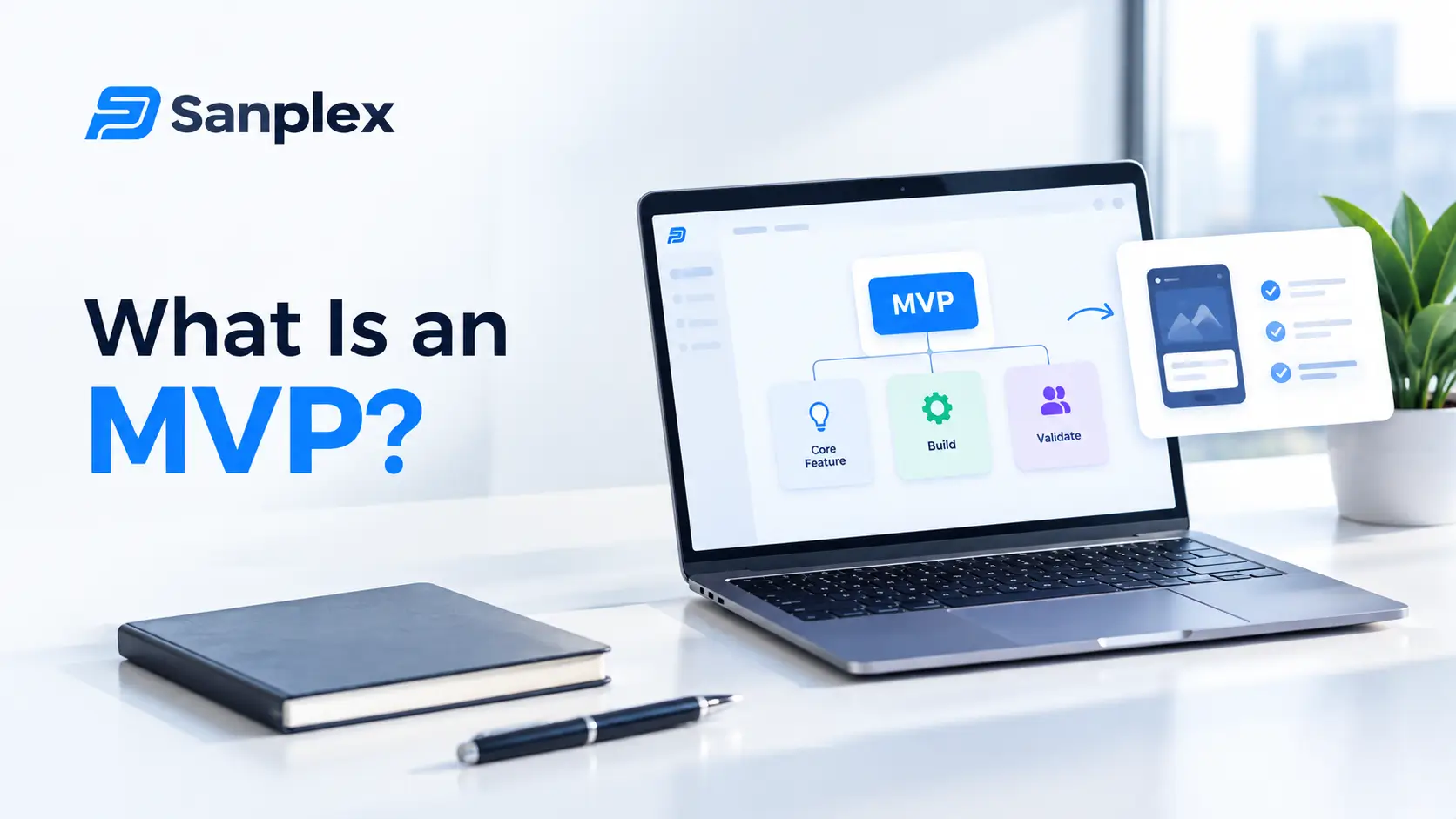
An MVP, or minimum viable product, is the smallest version of a product that lets you test a real assumption with real users. Not a prototype, not a demo, an actual working thing people can use, just stripped down to the one core loop you're trying to validate. The term gets used loosely enough that it's worth being precise about what it actually means before building one.
What Does MVP Actually Mean?
An MVP is the minimum set of features needed to test whether your core assumption is true, and no more. The goal isn't to ship something impressive, it's to learn something you don't currently know.
MVP Is Not the Same as a Prototype
A prototype can be fake. Clickable mockups, a video, a landing page, none of it has to actually work. An MVP has to function for a real user doing a real task, even if the process behind the scenes is manual or ugly.
What Are Some Real MVP Examples?
-
Dropbox's earliest validation was a short demo video showing the product working, before the actual syncing engine was built out, used purely to gauge signup interest
-
Zappos started by posting photos of shoes from local stores online and manually buying and shipping them himself whenever an order came in, to test whether people would actually buy shoes without trying them on first
-
Airbnb's founders rented out air mattresses in their own apartment to strangers to test whether anyone would pay to stay in someone else's home
What These Examples Have in Common
None of them scaled. All of them were manual, slow, and a little embarrassing behind the scenes. What they had in common was a real transaction with a real user, which is the part that actually counts as an MVP rather than a mockup.
How Do You Plan and Build an MVP Step by Step?
-
Define the one assumption you're actually testing, not a list of five
-
Write a short, focused requirements doc rather than a full spec
-
Cut every feature that isn't required to test the core assumption
-
Build only the core loop, and let manual work stand in for anything not essential
-
Launch to a small group, measure the specific behavior you defined upfront, then decide
Where a Lean PRD Fits In
Writing this down matters more than it feels like it should. A free PRD template keeps the scope honest, since it's easy to quietly add features back in once the team starts building without something written down to check against.
Getting the Work Into a Backlog
Once the scope is set, it still has to become actual tickets someone can work through. A clear approach to product backlog setup keeps the MVP from quietly growing back into a full product during sprint planning, which is the most common way MVP scope creeps.
What Mistakes Do Teams Usually Make Building an MVP?
-
Testing five assumptions at once instead of one, which makes the results impossible to interpret
-
Building for scale before knowing if anyone wants the product at all
-
Treating manual workarounds as embarrassing rather than as the point
-
Never actually deciding what would count as a failed test before launching
Technical Debt Adds Up Fast in MVP Mode
The urge to cut corners is often correct for an MVP, but it needs to be a conscious decision, not an accident. Understanding how product managers reduce technical debt helps separate the shortcuts you'll happily throw away from the ones that quietly become permanent infrastructure.
How Does an MVP Fit Into a Larger Roadmap?
An MVP is a single experiment, not the whole plan. Once it validates or kills the assumption, the result needs to feed back into product roadmap planning rather than sitting as a one off side project. A successful MVP earns its place on the roadmap as a real theme, a failed one saves the team from building the wrong thing at full scale.
Where Does Software Fit Into the MVP Process?
Software organizes the execution, requirements, backlog, release tracking, but it doesn't decide your MVP scope for you. That's still a judgment call a product manager has to make, and no tool replaces the discipline of cutting features down to the one thing you're actually testing.
How Do You Know When an MVP Test Is Actually Done?
An MVP test ends when you have a clear enough signal to decide, not on a fixed calendar date. That's a detail teams often skip defining upfront, which leaves the test running indefinitely without a real answer.
-
Decide the success threshold before launch, not after seeing early results
-
Set a minimum sample size or time window so a handful of early users don't decide the outcome
-
Separate a failed assumption from a failed execution, sometimes the idea was right but the test itself was flawed
-
Write down the decision and the reasoning, not just the outcome, so the next team doesn't repeat the same test
A Vague Result Usually Means the Test Was Too Broad
If the result doesn't clearly point toward keep, kill, or iterate, that's often a sign the MVP tried to answer more than one question at once. Narrowing the next test down to a single assumption fixes this more often than extending the current one.
Straight Answers
How long should an MVP take to build?
There's no fixed timeline, but if it's taking longer than a normal feature would, the scope has probably grown past what an MVP should be.
Does an MVP need to make money?
Not necessarily. It needs to produce a clear signal about your core assumption, which is sometimes a purchase and sometimes just genuine engagement.
Is a landing page with a signup form an MVP?
That's closer to a prototype or a smoke test. An MVP requires an actual working product a user can use, not just an expression of interest.
What happens if an MVP fails?
It saved you from building the full version of something nobody wanted. A failed MVP that produces a clear answer is a success by definition.
Can an MVP become the final product?
Sometimes, but usually it needs real rework once it's validated. Manual workarounds that were fine for ten users rarely hold up at scale.
If you're past the MVP stage and need to organize the backlog, requirements and releases that come next, sanplex.com covers how that fits together, or talk it through with the team directly.
Related Blogs
What Is a Barcode Generator? A Quick Explainer